
TC420 vs TCHD-T3 vs TC-980S: Which Live Streaming Camera Fits Your Workflow?
TC420 vs TCHD-T3 vs TC-980S: Which Live Streaming Camera Fits Your Workflow?
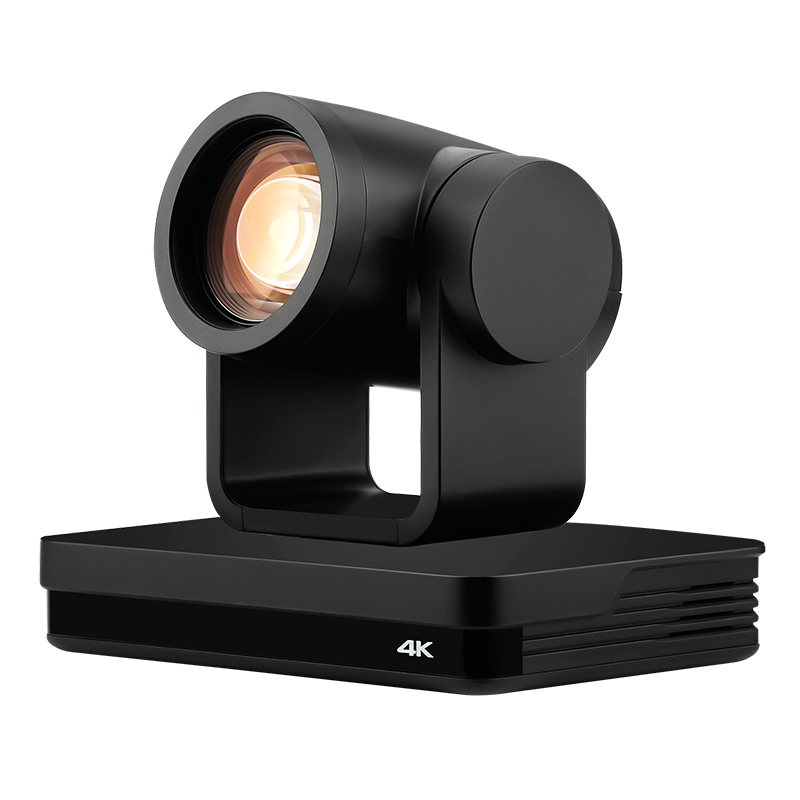
When buyers evaluate live streaming cameras from TCHD Video, three models frequently appear in the same shortlist: the TC420, the TCHD-T3 and the TC-980S. All three use 1/2.8-inch CMOS sensors and all three offer 12X optical zoom, but they are positioned for different workflows. The TC420 is classified as a video conference and PTZ camera, the TC-980S is a PTZ camera aimed at broadcasting and related production environments, and the TCHD-T3 is positioned as an education teaching, e-commerce streaming and medical training camera. The practical question is not “which model is better in general” but “which output interface, resolution and camera category matches the way your room, studio or classroom is wired.”
Problem Definition: Why Camera Selection Depends on Output Interfaces and Use Case
Live streaming camera purchases fail when the camera specification does not match the signal path. A camera with beautiful image quality is difficult to use if the facility depends on SDI routing and the camera only provides HDMI and USB. A camera with four video outputs may be unnecessary for a lecturer who only needs a plug-and-play USB camera for a laptop or an encoder. Buyers evaluating TC420, TCHD-T3 and TC-980S need to compare three layers: video resolution and sensor pixel count, output interfaces such as HDMI, SDI, LAN and USB3.0, and the intended industry category defined by the manufacturer.
In the TCHD Video lineup, the TC420 and TC-980S belong to PTZ camera categories, include published pan-tilt ranges and provide both HDMI and SDI signal paths. The TCHD-T3 does not carry the PTZ camera category definition in the same way; its specification focuses on HD video, USB video class communication and network streaming for education, e-commerce and medical training. None of the three cameras should be selected before confirming the working environment is indoor and the temperature range is within -10°C to +50°C.
Industry Background: Live Streaming and PTZ Cameras Are a Core Hardware Segment
Live streaming and video communication hardware continues to expand as organizations add lecture capture, surgical training, conferences, house of worship services and event video to their normal operations. Industry estimates cited by market research sources project that the global live streaming camera market will reach USD 3.35 billion in 2025 and about USD 7.79 billion by 2035, representing a CAGR of roughly 8.8% over that period. Separate estimates from Metastat Insights indicate that PTZ cameras may account for about 38.5% of global conference camera revenue in 2025.
For an importer, integrator or end customer, this growth creates a wider choice of brands but does not reduce the importance of checking actual model specifications. The TC420, TCHD-T3 and TC-980S comparison is useful precisely because the three products within one manufacturer’s line solve different signal and application problems.
Detailed Solution: Understanding the Three Camera Models
TC-980S: PTZ Live Streaming Camera for Broadcasting and Production-Oriented Workflows
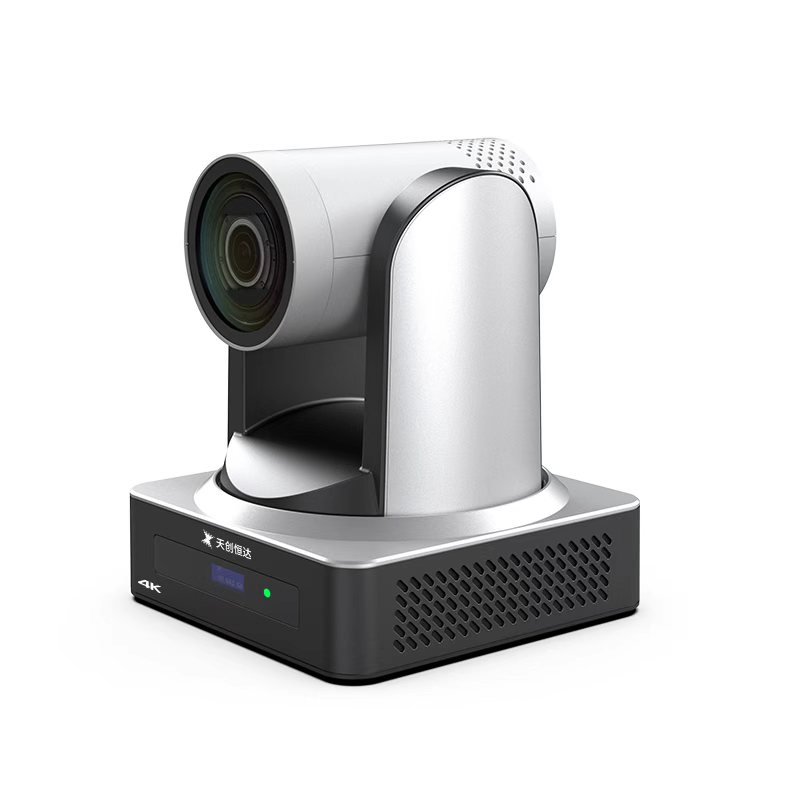
The TC-980S is a live streaming PTZ camera intended primarily for the broadcasting industry, with additional use in event streaming, education training, medical teaching and video conferencing. It uses a 1/2.8-inch high-quality CMOS image sensor with 8.42M effective pixels in a 16:9 format. The published optical zoom options include 12X, 20X and 30X configurations, with focal lengths from f=4.1~49.2mm, f=5.05~91.49mm and f=5.2~148.4mm respectively. Digital zoom is 16X.
The TC-980S includes HDMI, SDI, LAN and USB3.0 outputs, plus a LAN port that supports PoE+ and optional NDI or Dante AV capabilities. Its HDMI signal list includes 3840x2160 as well as 1080P60/59.94/50 and lower formats. SDI output supports 1080P60/59.94/50 and 1080i60/50/59.94 signals. The LAN master stream supports H.264/H.265 at resolutions up to 3840x2160, while USB3.0 supports MJPG/H.264/H.265/YUY2/NV12 formats including 4K. Users can also select a monocular tracking option with modes such as real-time tracking, stage tracking, area tracking and intelligent framing, with a maximum tracking distance of up to 18 meters.
The TC-980S pan range is -170° to +170°, tilt range is -30° to +90°, and total power consumption is ≤18W. This model is suited to workflows where a broadcast-style PTZ camera must connect to SDI infrastructure and, when required, to IP-based production systems using SRT, RTMP, RTSP, ONVIF, GB/T28181, NDI or Dante AV. A buyer who needs a versatile PTZ camera for broadcast, medical teaching, event streaming or higher-end education spaces should evaluate the TC-980S first.
TC420: 4K PTZ Video Conference Camera with HDMI, SDI, LAN and USB3.0
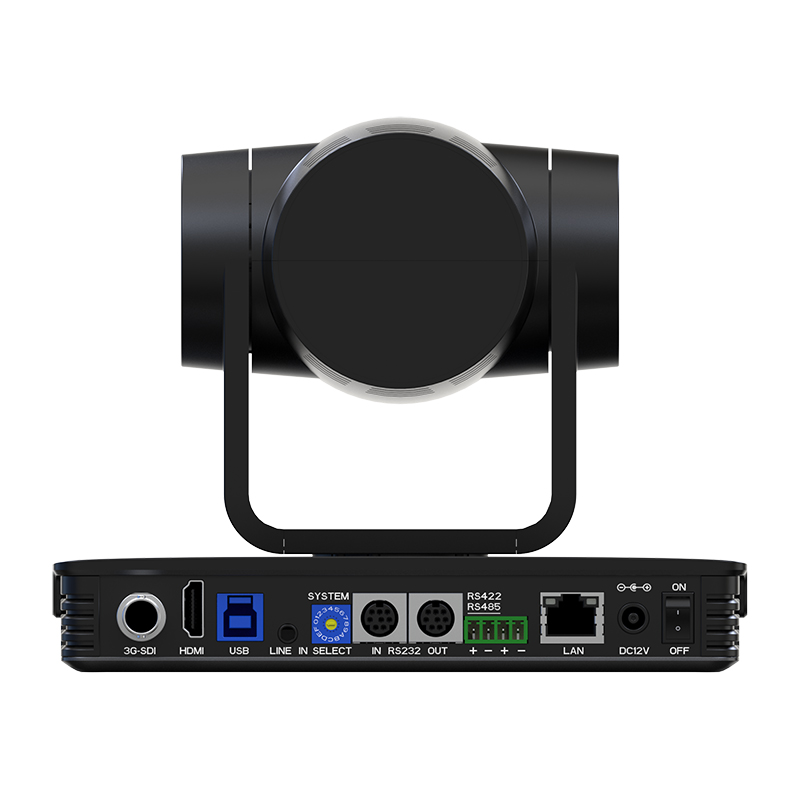
The TC420 is described by TCHD Video as a video conference camera and PTZ camera, with typical application areas including live streaming, education teaching, e-commerce streaming, medical training and event streaming. It uses a 1/2.8-inch high-quality HD CMOS sensor with 8.29M effective pixels in 16:9 format. The optical zoom is 12X with focal length from 3.9mm to 46.8mm, and digital zoom reaches 15X. Minimum illumination is 0.5 Lux at F1.8 with AGC ON, making it suitable for reasonably lit rooms.
The TC420 has a practical output combination for production rooms that need both 4K over HDMI or USB3.0 and SDI monitoring. The HDMI interface supports 4KP30, 4KP25, 1080P60, 1080P50, 1080P30, 1080P25, 720P60 and 720P50 signals. The SDI interface supports 1080P60, 1080P50, 1080P30, 1080P25 and 720P60/50. USB3.0 supports MJPG/H.264 main stream up to 3840*2160, plus a sub stream for lower resolution outputs. The camera also provides a 10M/100M/1000M LAN port with PoE power support, and its network protocols include RTSP, RTMP, ONVIF, GB/T28181, RTMPS, SRT, VISCA over IP and IP VISCA.
Mechanically, the TC420 has a pan range of -170° to +170° and a tilt range of -30° to +90°. Pan speed is 0.1°/s to 60°/s and tilt speed is 0.1°/s to 45°/s, with up to 255 preset positions. The power consumption is under 12W. For many conference rooms, classrooms and medical training spaces, the TC420 provides an economical bridge between 4K-capable streaming software and SDI-based AV routing.
TCHD-T3: HD Live Streaming Camera for Education, E-Commerce and Medical Training
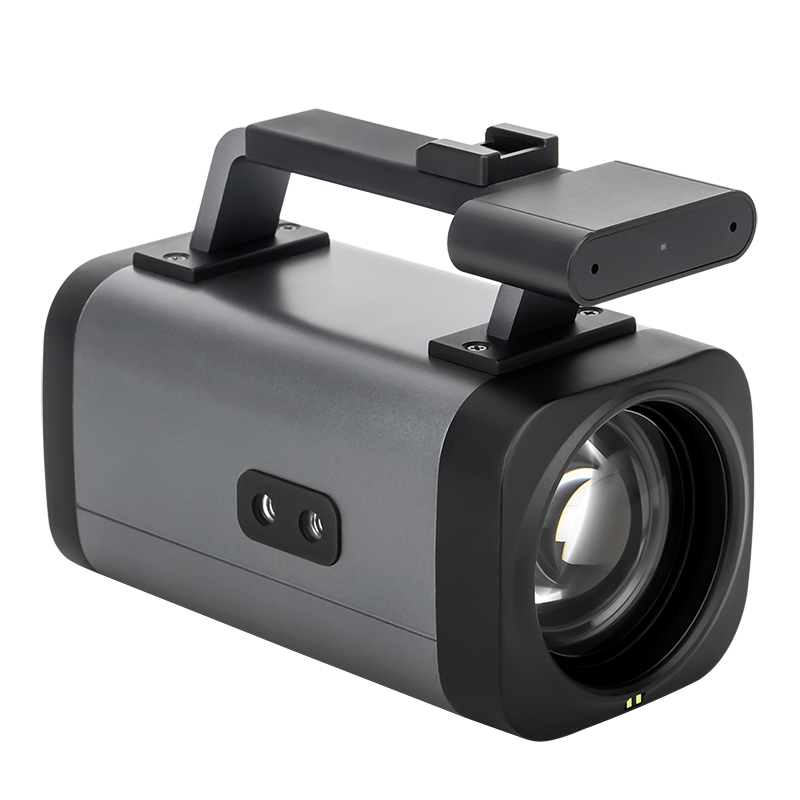
The TCHD-T3 is a live streaming camera categorized as an education teaching camera, e-commerce streaming camera and medical training camera. It is made of plastic and glass and is intended for industries including broadcasting, medical, e-commerce, education and event streaming. Its sensor is a 1/2.8-inch CMOS with 2.07M effective pixels. The lens is 12X, f3.5mm to 42.3mm, F1.8 to F2.8, with 16X digital zoom. Minimum illumination is 0.5 Lux at F1.8 with AGC ON, and video S/N is ≥55dB.
Video formats reach 1080P@60/50/30/25fps, plus 1080i@60/50fps and 720P@60/50fps. The camera provides a USB3.0 Type C interface, a USB2.0 Type A interface, one HDMI 1.4b output and one RJ45 10M/100M adaptive Ethernet port with PoE support. Over USB, the TCHD-T3 supports YUY2, H.264 AVC, H.264 SVC and MJPEG up to 1080P@60fps, which makes it effective as a UVC camera for software-based streaming. The camera includes UVC 1.1~1.5 support and UVC PTZ support, and network protocols include RTSP, RTMP, ONVIF, TCP/IP, HTTP, DHCP and Multicast.
For organizations building a simple lecture capture system, an e-commerce live stream, or a medical training station that relies on a laptop and streaming software, the TCHD-T3 is the most straightforward model in this comparison. It does not replace a full SDI production camera, but it does reduce integration cost by combining HD image quality, 12X optical zoom, USB3.0 video and PoE network streaming in one plastic-glass body.
Step-by-Step Breakdown: How to Match the Camera to the Workflow
- Decide the native output resolution first. If the project requires 4K camera capture, restrict the selection to models with 4K in their video signal paths. The TC420 supports 4KP30/4KP25 on HDMI and 3840*2160 over USB3.0 MJPG/H.264. The TC-980S supports 3840x2160 on HDMI, LAN and USB streams. The TCHD-T3 is an HD camera with maximum 1080P60 video; it is not a 4K model.
- Map the signal path before checking price or zoom. A camera is only useful if it can feed the switcher, encoder, monitor or computer in the room. HDMI is common for teach-through monitors and consumer displays. SDI is common in broadcast and AV production. LAN is used when the camera must stream over RTSP, RTMP, ONVIF or SRT. USB3.0 is preferred when a laptop or software platform uses UVC/UAC camera protocols. The TC420 and TC-980S include HDMI, SDI, LAN and USB3.0. The TCHD-T3 product specification defines HDMI, USB3.0 Type C, USB2.0 Type A and RJ45 LAN interfaces, with no SDI interface listed.
- Check pan-tilt behavior and preset needs. The TC420 and TC-980S have documented pan rotation of -170° to +170° and tilt rotation of -30° to +90°. Both support up to 255 preset positions. The TCHD-T3 specification includes UVC PTZ support and preset quantity of 255, but it does not publish a mechanical pan or tilt range in the same way. If the requirement demands confirmed mechanical PTZ movement with published speed and range, the TC420 or TC-980S is the safer documented choice.
- Review optical zoom distance for the room. All three models start with 12X optical zoom, but the TC-980S can also be selected with 20X or 30X optical zoom, which is valuable for rear-of-room church, lecture hall or stadium event placement. Wide-angle coverage should also be checked: the TCHD-T3 lists a horizontal field of view from 72.5° to 6.9°, the TC420 lists 70.9° wide to 6.5° narrow, and the TC-980S lists about 70.4° to 6.72° horizontal for its 12X lens configuration.
- Verify control protocols and network compatibility. The TC420 and TC-980S support VISCA, Pelco-D and Pelco-P serial protocols over RS232/RS485-style interfaces and also support network VISCA control. The TC-980S additionally lists SRT, optional NDI and optional Dante AV. The TCHD-T3 supports UVC-based control and standard network streaming protocols, which fits software-centric workflows rather than traditional broadcast control rooms.
- Check power, mounting and environment constraints. The working temperature range for these live streaming cameras is -10°C to +50°C, with working humidity of 20% to 80%. Power requirements differ: the TC420 uses a DC12V HEC3800 socket with under 12W consumption, the TCHD-T3 uses a JEITA-type DC12V jack, and the TC-980S uses a DC12V HEC3800 socket with total power consumption of ≤18W. PoE support is present on the TC420 and TCHD-T3 LAN ports, while the TC-980S LAN port supports PoE+.
Use Cases: Which Camera Should Be Shortlisted for a Given Scenario?
Broadcasting and event production
For broadcast and event production, a PTZ camera with SDI, IP streaming and optional production features is the most flexible choice. The TC-980S is categorized for broadcasting and supports HDMI, SDI, LAN and USB3.0 outputs. It also supports RTMP, RTSP, SRT, ONVIF and GB/T28181 over the network, with optional NDI and Dante AV capability. Event streaming teams that already have SDI switchers can keep the TC-980S on an SDI line while also using LAN or USB3.0 for a backup encoder.
Video conference rooms and corporate meeting spaces
The TC420 carries the video conference camera category definition and provides a strong fit for meeting rooms that need 4K USB or HDMI video plus accurate PTZ presets. The camera supports UVC and UAC over USB3.0, has a 12X optical zoom and can be controlled through VISCA, Pelco-D, Pelco-P, IP VISCA or VISCA over IP protocols. With pan range of -170° to +170° and tilt range of -30° to +90°, it can track speakers across a typical conference table.
Education, classroom and lecture streaming
Education users can select from all three models, but the best choice depends on room infrastructure. A simple classroom with a laptop and streaming software can use the TCHD-T3 as a 1080P UVC camera with HDMI and LAN capabilities. A university media department with SDI-connected lecture capture systems will prefer the TC420 or TC-980S because both provide SDI output together with network streaming and higher effective pixel counts.
Medical training and surgical demonstration
Medical teaching environments need reliable HD video with minimal setup friction. All three cameras are positioned for environments that may include medical training. For a mobile medical cart or USB-connected training station, the TCHD-T3 is easy to integrate through UVC. For an operating-room AV system where the camera must feed an SDI matrix, the TC420 and TC-980S provide more production-oriented connectivity.
E-commerce and social live streaming
E-commerce streamers commonly rely on USB cameras because they need instant compatibility with encoding software, mobile capture devices and live commerce platforms. The TCHD-T3 supports USB3.0 Type C, UVC protocols and 1080P@60fps, which makes it suitable for product close-ups when used with its 12X optical zoom. The TC420 can also be used for e-commerce, particularly if the seller needs 4K USB capture and a camera that can be remote-controlled.
Comparison Table: TC420 vs TCHD-T3 vs TC-980S
| Specification | TC420 | TCHD-T3 | TC-980S |
|---|---|---|---|
| Product category listed in corpus | Video conference camera, PTZ camera, education camera, medical training camera | Education teaching camera, e-commerce streaming camera, medical training camera | PTZ camera, event streaming camera, education training camera, medical teaching camera, video conference camera |
| Image sensor | 1/2.8-inch HD CMOS, 8.29M effective pixels, 16:9 | 1/2.8-inch CMOS, 2.07M effective pixels | 1/2.8-inch CMOS, 8.42M effective pixels, 16:9 |
| Optical zoom | 12X, f=3.9~46.8mm | 12X, f3.5mm~42.3mm | 12X, 20X or 30X configurations listed |
| Digital zoom | 15X | 16X | 16X |
| HDMI video signals | 4KP30, 4KP25, 1080P60/50/30/25, 720P60/50 | HDMI 1.4b output; video system up to 1080P@60/50/30/25fps | 3840x2160, 1080P60/59.94/50, 720P60/59.94/50 |
| SDI output | Yes, up to 1080P60/50/30/25 and 720P60/50 | Not listed in product interface specification | Yes, up to 1080P60/59.94/50 and 1080i60/50/59.94 |
| USB output | USB3.0 up to 3840*2160 MJPG/H.264 | USB3.0 Type C plus USB2.0 Type A, up to 1080P@60fps | USB3.0 supports 4K in MJPG/H.264/H.265 streams |
| LAN output and PoE | 10M/100M/1000M LAN with PoE | 10M/100M LAN with PoE | 1000M LAN with optional PoE+ |
| Network protocols | RTSP, RTMP, ONVIF, GB/T28181, SRT, RTMPS, VISCA over IP, IP VISCA | RTSP, RTMP, ONVIF, TCP/IP, HTTP, DHCP, Multicast | RTSP, RTMP, ONVIF, GB/T28181, SRT, optional NDI, optional Dante AV |
| Pan-tilt range | Pan -170° to +170°, tilt -30° to +90° | UVC PTZ supported; no mechanical pan/tilt range published | Pan -170° to +170°, tilt -30° to +90° |
| Preset positions | Up to 255 | 255 | Up to 255 |
| Working temperature | -10°C to +50°C | -10°C to +50°C | -10°C to +50°C |
| Working humidity | 20% to 80% | 20% to 80% | 20% to 80% |
| Power consumption | <12W | DC12V JEITA type | ≤18W |
Comparison based on TCHD Video product specifications and verified content units. Buyers should confirm final configuration, including zoom variant, optional NDI/Dante AV and power accessories, before ordering.
Frequently Asked Questions
TC420 vs TCHD-T3 vs TC-980S: which model should I choose for live streaming?
Start with the signal output your workflow requires. If SDI is required, choose the TC420 or TC-980S because both list SDI output in their specifications. If 4K over HDMI or USB is required, the TC420 and TC-980S offer 4K-capable paths; the TCHD-T3 is an HD camera with maximum 1080P video. If you need a simple USB3.0 UVC camera for education, e-commerce or medical training, the TCHD-T3 is the most straightforward model because it supports 1080P@60fps over USB with UVC protocols.
What video output interfaces does each live streaming camera provide?
The TC420 provides HDMI, SDI, LAN with PoE and USB3.0. The TC-980S provides HDMI, SDI, LAN with PoE+ and USB3.0. The TCHD-T3 product specification defines HDMI 1.4b, USB3.0 Type C, USB2.0 Type A and an RJ45 LAN port with PoE; SDI is not listed on the TCHD-T3 interface specification.
Which of the three cameras supports 4K live streaming?
The TC420 and TC-980S support 4K signals in their listed output paths. The TC420 lists 4KP30/4KP25 on HDMI and 3840*2160 over USB3.0 MJPG/H.264. The TC-980S lists 3840x2160 on HDMI and LAN master streams and supports 4K formats over USB3.0. SDI output on both models is listed at 1080p-level signals. The TCHD-T3 is not a 4K model; its maximum video system is 1080P@60fps.
Can the TC420, TCHD-T3 and TC-980S run continuously in indoor environments?
The working temperature range for these live streaming cameras is -10°C to +50°C, with working humidity of 20% to 80%. The application description defines these as indoor cameras. Power delivery can be simplified through PoE on the TC420 and TCHD-T3, or PoE+ on the TC-980S network port, but the actual continuous operating time also depends on the selected encoder, streaming platform and network stability.
Who is the manufacturer behind the TC420, TCHD-T3 and TC-980S, and can TCHD Video customize cameras?
TCHD Digital Video Technology Development (Beijing) Ltd., established in 2005, is a manufacturer specializing in standardized video software and hardware products and application systems. Its main products include live streaming cameras, video capture cards, video converters, video encoders and video switchers. The R&D team includes 10 engineers and the company states that it can customize and develop products according to different customer needs. The manufacturing facility covers 10,000 square meters with annual production capacity of 4,000 units.
How can a buyer request pricing, samples or the full product catalogue for these models?
Buyers can contact TCHD Video directly for model-specific specifications and commercial terms. The company publishes a product catalogue PDF and maintains contact channels for inquiries. For a faster response, mention the model name: TC420, TCHD-T3 or TC-980S, plus your target application and expected quantity. A sample request should also specify the required video output interface, optical zoom variant and whether options such as NDI or Dante AV are needed for TC-980S evaluation.
Need a specification sheet or a sample for TC420, TCHD-T3 or TC-980S?
Contact TCHD Video at tomzhang@tchdvideo.com or +86-13910334207. The downloadable TCHD Product Catalogue 2025 includes the live streaming camera range and related video hardware.
Download TCHD Product Catalogue 2025
TCHD Digital Video Technology Development (Beijing) Ltd, Room#411, Building#1, Yard#9, Lianqiao 2nd Street, Haidian District, Beijing, China.
Conclusion
The TC420, TCHD-T3 and TC-980S solve different live streaming camera problems. The TC-980S is the most production-oriented PTZ model in this grouping, with 4K paths, SDI output, IP protocols, optional tracking and optional NDI or Dante AV. The TC420 is a 4K PTZ video conference camera that also provides SDI output, PoE networking, wide network protocol support and lower power consumption under 12W. The TCHD-T3 is an HD education, e-commerce and medical training camera with USB3.0 UVC simplicity, 1080P@60fps output and a plastic-glass body, best used when the workflow centers on software rather than SDI hardware.
For buyers, the selection rule should remain simple: identify the output interface that the room, switcher or streaming software expects, confirm whether the project needs documented 4K capture, and then select the camera category that matches the application. All three models operate within the same indoor temperature and humidity range, share 12X optical zoom as a common baseline, and come from the same 10,000-square-meter Beijing manufacturing facility with annual production capacity of 4,000 units.
Have Questions or Need More Details?
Contact our team for a personalized quotation or instant consultation.
Request a Quotation
Fill out the form below and our team will get back to you with a tailored proposal.
WhatsApp Direct Chat
Prefer to chat in real-time? Message us on WhatsApp for instant assistance & quick answers.
- Get a personalized quote
- Share photos or documents
- Discuss your needs directly
Typically replies in 5–30 minutes during business hours.