
Live Streaming Camera Selection Parameters: Sensor, Output and Lens Specs
Quick answer: a live streaming camera is selected on five measurable parameter groups, not on the word "4K". The groups are sensor format and effective pixel count, resolution paired with frame rate, physical video outputs (HDMI, SDI, USB 3.0 and wired LAN with optional PoE+), lens specification including optical zoom and interchangeability, and image processing features such as AI facial tracking, 2D/3D noise reduction and HDR. Two cameras can both claim 4K and SDI while differing on whether 4K leaves the SDI port at all, how many frames per second reach the USB bus, and whether the lens can be changed. This guide turns those parameters into a review sequence that a buyer can apply to a datasheet before requesting a sample.
Problem Definition: Why Two "4K SDI" Cameras Are Not Interchangeable
Specification drift appears in four predictable places, and each one has caused a real procurement mismatch between what a buyer expected and what a camera delivers.
Frame rate collapses at maximum resolution. A model may list 3840x2160 and separately list 60fps, while the two values apply to different interfaces. On the TC420, the HDMI path supports 4KP30 and 4KP25, and 60fps appears only at 1080P. On the TC-980S, HDMI lists 3840x2160 alongside 1920x1080P60, so the higher frame rate and the higher resolution are not automatically combined unless the interface and codec both allow it.
Interface count is confused with interface capability. HDMI, SDI, USB 3.0 and LAN can all be present while carrying different payloads. On the TC-980S, USB 3.0 delivers YUY2/NV12 at 1920x1080 and below, while H264/H265/MJPG reaches 3840x2160; the compressed path and the uncompressed path are not the same product.
Sensor size is read as a marketing number rather than an optical constraint. A 1/2.8-inch sensor with 8.42M effective pixels and a 1-inch 50MP sensor produce different field-of-view behaviour, different low-light headroom and different lens options, even when both output 4K.
Compliance scope is assumed to be model-wide. Certificates are issued against a defined scope. A quality management certificate covering the sales of digital audio and video products and related technical services is not the same document as a CE EMC attestation, and the current specification record for the TCHD-X6 does not include CE, FCC or ISO certificate numbers or test report references at all. A buyer who assumes otherwise has no document to file.
Industry Background: What Changed in Live Streaming Camera Procurement
Three background conditions shape how parameter sheets are read in 2026.
First, the category is forecast to keep expanding. Business Research Insights projects the global live streaming camera market to reach USD 7.83 billion by 2035 (Business Research Insights, Live Streaming Camera Market report, 2026). A growing category produces more models with overlapping claims, which raises the value of a disciplined parameter review rather than lowering it.
Second, cameras now cross customs and procurement boundaries. Special-purpose television cameras including CCTV are classified under HS Code 8525.89, and some regions use the more specific 8525.89.40 (WCO / Harmonized Tariff Schedule). Buyers importing live streaming cameras should confirm classification with their broker rather than assuming a single code covers PTZ, broadcast and capture hardware.
Third, compliance expectations have become document-based. Public-sector and institutional buyers increasingly request declared protocol support and product-specific conformity documents instead of relying on resolution or interface labels. ITU-T H.324 defines an audiovisual terminal architecture that includes video I/O equipment such as cameras and monitors, and government videoconferencing guidance references ITU H.320 or H.324 for certain transmission environments and H.323/SIP for internet-based videoconferencing. Those references establish interoperability expectations, not camera certification, and the distinction matters when a tender document is being answered.
Detailed Solution: The Five Parameter Groups That Decide the Purchase
1. Sensor Format and Effective Pixel Count
Sensor format sets the ceiling for low-light behaviour and for how much of the lens image circle the camera actually uses. The TC-980S and the TC420 both use a 1/2.8-inch high-quality CMOS sensor, with 8.42M effective pixels (16:9) on the TC-980S and 8.29M effective pixels (16:9) on the TC420. The TCHD-T3 uses a 1/2.8-inch CMOS sensor with 2.07M effective pixels and a 1080P video system, which shows how the same sensor class can serve a different output target.
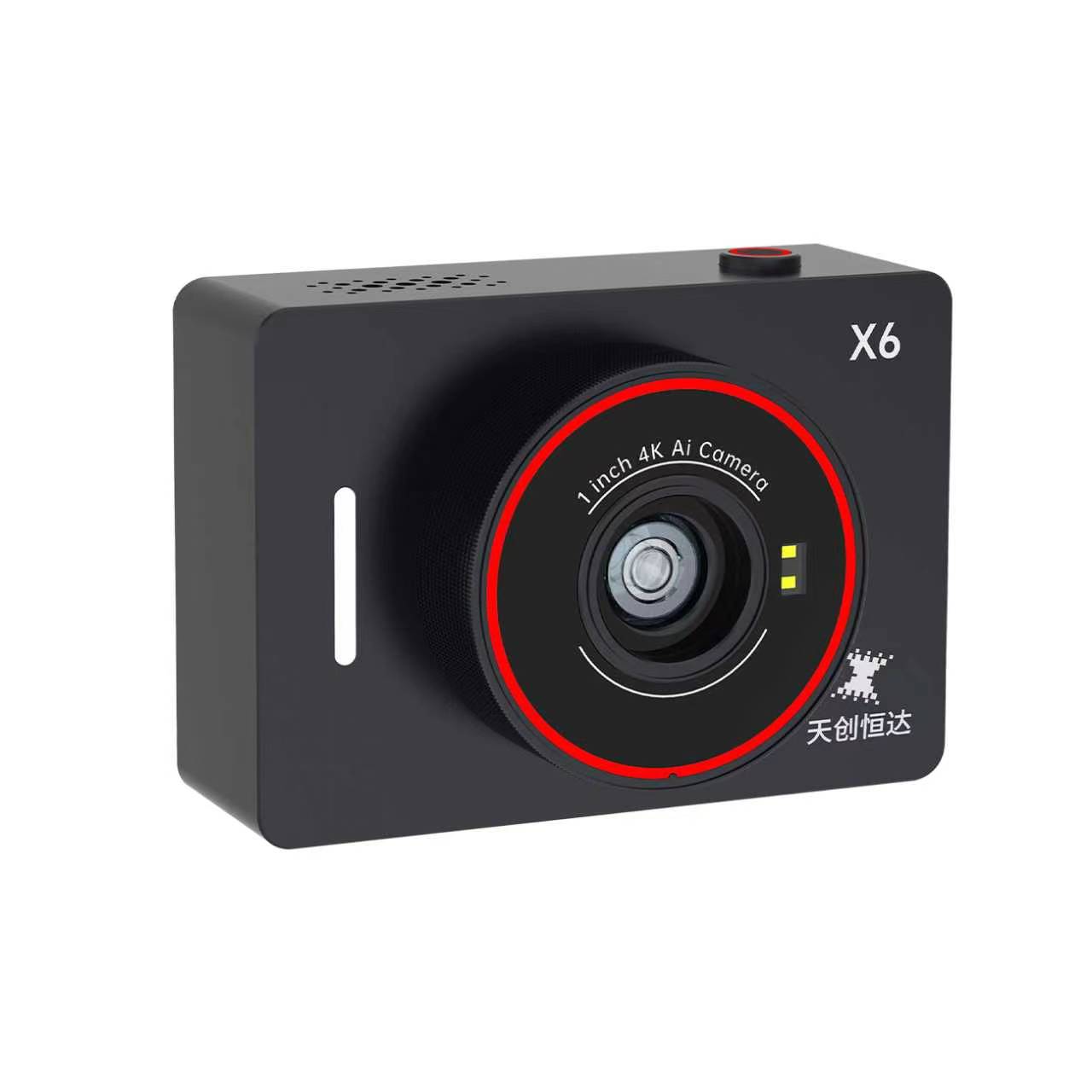
The TCHD-X6 sits in a different band. It uses a 1-inch CMOS 50MP sensor with a diagonal field of view of 85.3 degrees (4:3), horizontal 72.8 degrees and vertical 57.8 degrees, and a new CMOS image sensor with an ultra-high signal-to-noise ratio intended to reduce noise in low light. Read the pixel count and the format together: a larger format with a high pixel count supports more aggressive cropping and closer working distances, while a 1/2.8-inch format is the conventional choice for PTZ bodies where the lens assembly has to fit inside a pan-tilt housing.
2. Resolution and Frame Rate Must Be Read as a Pair
State the resolution and the frame rate on the same line, on the same interface, or the specification is not usable. The TC-980S supports 3840x2160 up to 60fps on HDMI, with 1920x1080P60/59.94/50/30/29.97/25 and 1280x720P60/59.94/50 also listed. Its SDI output is specified at 1920x1080P60/59.94/50/30/29.97/25, 1920x1080I60/50/59.94 and 1280x720P60/59.94/50, so a project that requires 4K must deliver it over HDMI, USB or LAN rather than SDI.
Frame rate also determines motion handling in the room. A lecture capture or medical teaching workflow that pans across a demonstration benefits from a 60fps path at the resolution actually used, and 1080P60 is a well-established delivery format for that reason. The TC420 lists 1080P60 and 720P60 on HDMI and SDI, with 4K limited to P30/P25 on HDMI, which is a workable constraint for conference and training rooms but a hard limit for 4K-at-60 productions.
3. Video Outputs: HDMI, SDI, USB 3.0 and Wired LAN with Optional PoE+
Outputs decide where the camera can physically be installed. The TC-980S carries HDMI, SDI, LAN with optional PoE+, USB 3.0, audio in, RS232-IN, RS232-OUT, RS485 and DC12V power on a single body. The TC420 carries HDMI, SDI, LAN with PoE, USB 3.0, audio in, RS232-IN, RS232-OUT and RS422 compatible with RS485. The TCHD-T3 carries HDMI 1.4b, one USB 3.0 Type-C port, one USB 2.0 Type-A port, a 3.5mm line-in and an RJ45 10M/100M adaptive Ethernet port supporting PoE.
SDI remains the long-distance link. At 1080P60, SDI supports transmission over cable runs of up to 100 metres, which is why it is preferred where the camera sits far from the switcher or where cable must be pulled through a ceiling void. HDMI is the shorter, higher-bandwidth path and carries 4K on the TC-980S. Wired LAN with optional PoE+ combines signal and power over one cable and adds the RTSP, RTMP, ONVIF, GB/T28181 and SRT network protocols listed for the TC-980S, with NDI and Dante AV available as options.
USB 3.0 is the plug-and-play path. The TC-980S USB interface implements UVC for video and UAC for audio, so it is recognised as a camera and an audio device without a driver. Compressed formats are MJPG, H.264 and H.265 at up to 3840x2160, and MJPEG records 4K at 30fps within that list; YUY2 and NV12 provide YUV 1080P output options for uncompressed capture at 1920x1080 up to 60fps on the TC-980S. The trade-off is bandwidth: uncompressed YUV at 1080P and compressed 4K are alternatives, not simultaneous guarantees on a shared USB controller.
4. Lens: Optical Zoom, Focal Range and Interchangeability
Lens numbers convert one camera body into several different products. The TC420 uses a 12X optical zoom with 15X digital zoom, a focal length of 3.9 to 46.8mm, an aperture of F1.6 to F2.8 and a horizontal viewing angle of 6.5 to 70.9 degrees. The TC-980S is offered in 12X, 20X and 30X optical zoom versions: the 12X gives 4.1 to 49.2mm and a 78.4-degree diagonal field of view at the wide end, the 20X gives 5.05 to 91.49mm, and the 30X gives 5.2 to 148.4mm. The TCHD-T3 uses a 12X zoom from 3.5 to 42.3mm with F1.8 to F2.8 and a horizontal angle of view from 72.5 to 6.9 degrees.
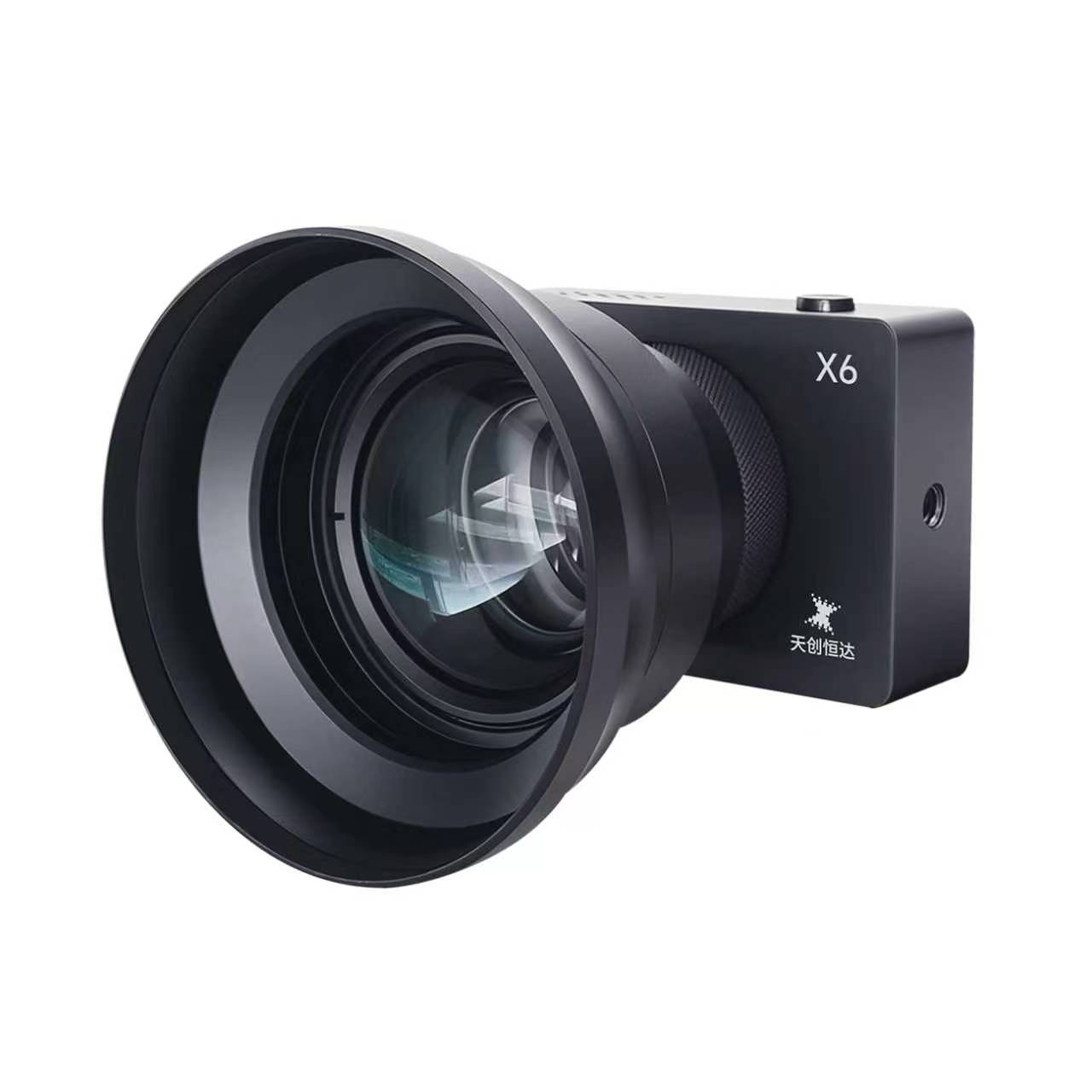
Interchangeable lenses are a separate decision. The TCHD-X6 lens is interchangeable and can be fitted with an external 4.8x macro lens or a 58mm portrait lens, which changes the minimum working distance and the framing style without changing the body. For a medical teaching or product close-up workflow, that flexibility is often worth more than a longer zoom range, because the constraint is close focus rather than reach.
5. Image Processing: AI Tracking, Noise Reduction, HDR and Image Modes
Processing parameters determine whether an operator has to intervene during a session. The TCHD-X6 supports AI facial tracking, with a personalised AI facial tracking model that sharpens focus on specific faces, plus face-tracking autofocus that works without the TOF module. It combines 2D and 3D noise reduction with a high signal-to-noise sensor, supports HDR, and exposes 24 colour tones with independent saturation control plus separate red, green, blue, yellow, orange, warm tone, highlight and shadow adjustments across four image versions: Standard, De-Red, Fairer and Professional.
The PTZ models apply the same logic mechanically. The TC420 and TC-980S both use 2D and 3D digital noise reduction with a signal-to-noise ratio above 50dB and 0.5 Lux minimum illumination at F1.8 with AGC on. The TC-980S adds monocular tracking with Off, Real-time Tracking, Stage Tracking, Area Tracking and Intelligent Framing modes, and a maximum tracking distance of up to 18 metres. Preset capacity is 255 positions on both PTZ models, with 10 reachable from the remote control.
Step-by-Step: A Parameter Review Sequence for Buyers
Step 1 — Fix the delivery interface first
Decide whether the camera feeds a switcher over SDI, a monitor or mixer over HDMI, a computer over USB 3.0, or a network over LAN. This single decision eliminates more models than any other. A 4K requirement plus an SDI-only infrastructure is an immediate mismatch, because the SDI path on the TC420 and TC-980S tops out at 1080P60.
Step 2 — Lock resolution and frame rate on that interface
Write the requirement as "3840x2160 at 60fps on HDMI" rather than "4K". Then confirm the codec that will be used on the same port — MJPEG at 4K is capped at 30fps in the TC-980S USB list, while H.264 and H.265 reach the higher frame rates.
Step 3 — Size the lens to the room, not to the brochure
Convert the room into a field-of-view requirement. A wide teaching space needs the wide end of the range; a lecture hall with a distant stage needs the telephoto end. Compare the wide-angle figure across models — 70.9 degrees horizontal on the TC420, 78.4 degrees diagonal on the 12X TC-980S, 72.5 degrees horizontal on the TCHD-T3 — and confirm the minimum shooting distance if close-up work is planned.
Step 4 — Verify the tracking and processing features you will actually use
Separate features that remove operator workload from features that only adjust appearance. AI facial tracking and stage or area tracking change how a session is run; colour tone and image version settings change how it looks. Both should be listed with the model they apply to, because processing feature sets do not transfer automatically across a product family.
Step 5 — Match the certificate to the model and to the scope
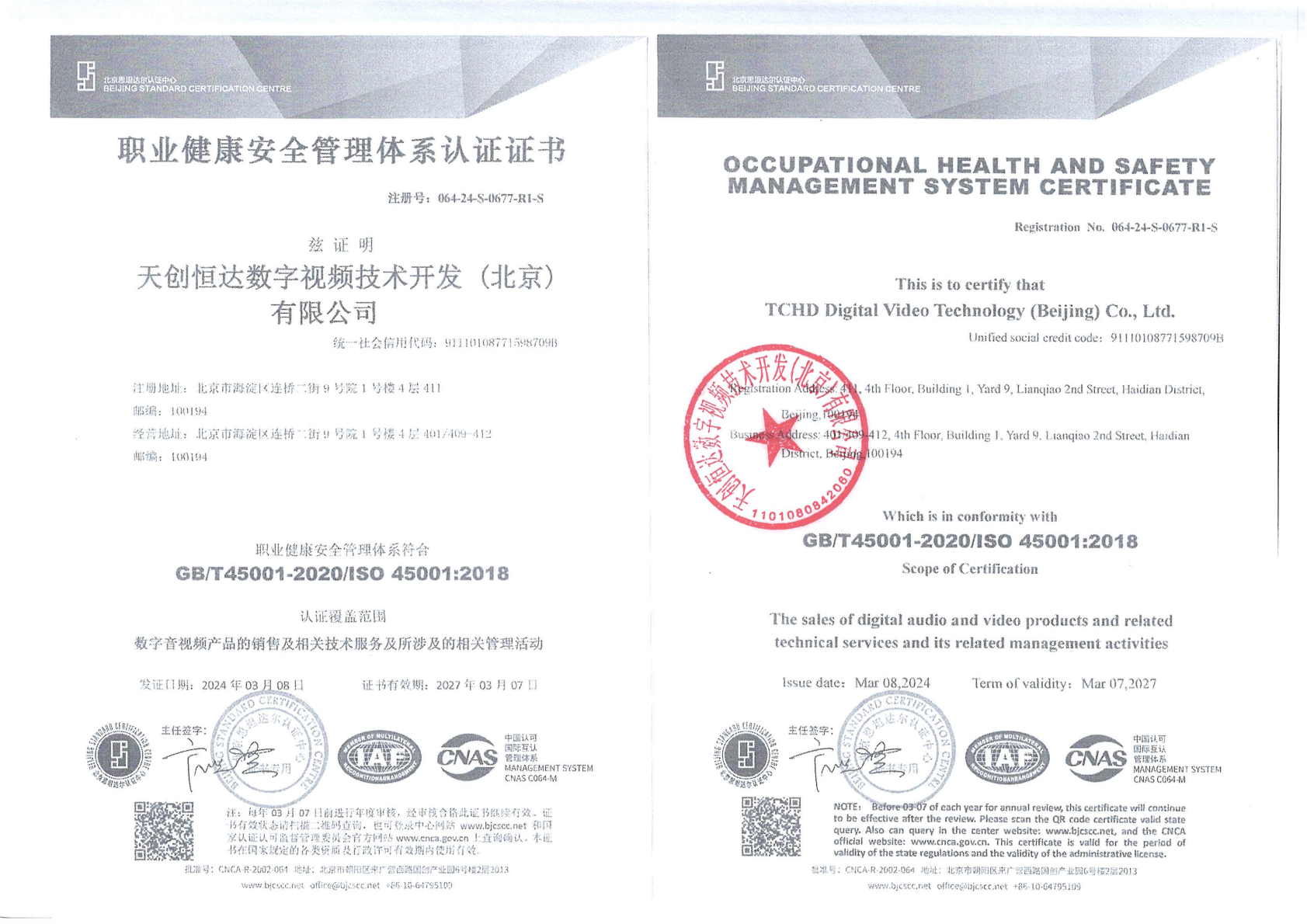
Ask for the certificate number, the issuing body and the product scope. The TC-980S holds a quality management system certificate to GB/T19001-2016/ISO9001:2015, number 064-24-Q-0675-R1-S, issued by BEIJING STANDARD CERTIFICATION CENTRE; an environmental management system certificate to GB/T24001-2016/ISO14001:2015, number 064-24-E-0676-R1-S; and a CE EMC Attestation of Compliance to EN 55032:2015/A1:2020 and EN 55035:2017/A11:2020, number LCSA07075157E, issued by LCS TESTING LABORATORY. The TC420 is covered by the same quality management certificate number 064-24-Q-0675-R1-S and by CE EMC certificate LCSA07075157E. The TCHD-T3 is covered by quality management system certificate 064-24-Q-0675-R1-S and by occupational health and safety management system certificate 064-24-S-0677-R1-S to GB/T45001-2020/ISO 45001:2018. These certifications apply to the EU market, and the ISO 45001 scope covers the sales of digital audio and video products and related technical services and its related management activities. The current specification record for the TCHD-X6 does not include CE, FCC or ISO certificate numbers or test report references, so buyers who need those documents for that model should request them explicitly rather than infer them.
Step 6 — Agree the pre-shipment acceptance test before the order
Define what will be tested and how it will be evidenced. TCHD Video applies 100% test across production and can run pre-shipment acceptance testing against the agreed configuration, so the test criteria should be written into the order rather than assumed afterwards.
Step 7 — Confirm commercial terms in writing
Record minimum order quantity, payment structure, delivery term and lead time on the quotation. TCHD Video quotes a MOQ of 1 unit with full prepayment, FOB or C&F delivery, and a lead time of 30 to 45 days. Monthly capacity is 500 units against an annual output of 4,000 units at a 10,000 m² facility.
Use Cases: Matching Parameters to the Room
Education and lecture capture. The dominant requirement is unattended tracking in a room where the presenter moves. A model with AI facial tracking, 255 presets and 2D/3D noise reduction covers this; a 12X zoom reaches the back of a typical teaching space. TCHD Video lists a government, hospital, school and YouTuber deployment of 20 units for teaching live streaming running for 2 years, with the reported result of stable operation, no noise and auto tracking, on the TC-980S.
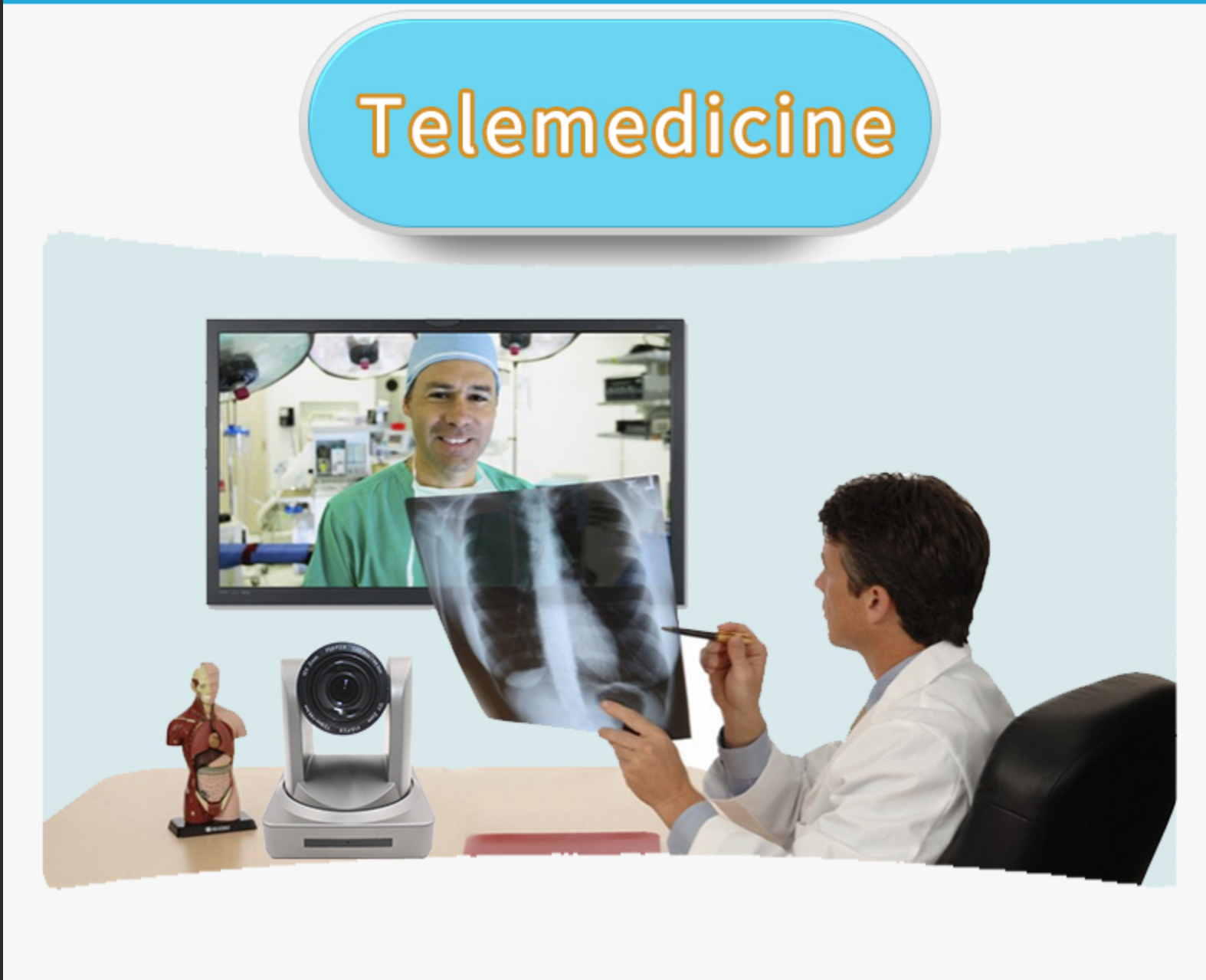
Medical and surgical teaching. Close focus and colour fidelity matter more than zoom range. Interchangeable lenses on the TCHD-X6, including a 4.8x macro option, address the close working distance, while the 24 colour tone adjustments and four image versions allow the image to be tuned for tissue contrast. Buyers in this segment should treat medical application language as a workflow description and verify any regulatory requirement separately.
Broadcast, event and house-of-worship streaming. The constraint is cable distance and switcher compatibility. SDI at 1080P60 over runs up to 100 metres, combined with RS232/RS422 control and 255 presets, suits a stage-to-control-room layout where HDMI cannot reach. Where 4K is required, the HDMI or LAN path carries it.
E-commerce and social streaming. A single-operator setup benefits from USB 3.0 UVC/UAC plug-and-play and vertical or horizontal output modes. The TCHD-X6 supports both landscape and portrait output, requires no driver installation, and pairs face-tracking autofocus with gesture and preset control so the host can demonstrate products without an operator.
Corporate conference rooms. Here 1080P60 is usually sufficient, and the priority shifts to control protocol support and PoE power. The TC420 and TCHD-T3 both accept PoE over the RJ45 port, and the TC420 supports VISCA over IP, IP VISCA, ONVIF, GB/T28181, RTMPS and SRT alongside VISCA/Pelco-D/Pelco-P serial control.
Comparison Table: TCHD-X6, TC420 and TC-980S at Parameter Level
| Parameter | TCHD-X6 | TC420 | TC-980S |
|---|---|---|---|
| Image sensor | 1-inch CMOS, 50MP | 1/2.8-inch CMOS, 8.29M | 1/2.8-inch CMOS, 8.42M |
| Maximum resolution and frame rate | 4K@30fps (MJPEG over USB) | 4KP30/25 on HDMI; 1080P60 on HDMI and SDI | 3840x2160 up to 60fps on HDMI; 1080P60 on SDI |
| Video outputs | USB 3.0 (UVC/UAC) | HDMI, SDI, LAN (PoE), USB 3.0 | HDMI, SDI, LAN (optional PoE+), USB 3.0 |
| Lens | Interchangeable; 4.8x macro or 58mm portrait option | 12X optical, 15X digital, f=3.9-46.8mm | 12X / 20X / 30X optical; 16X digital |
| Tracking and processing | AI facial tracking, HDR, 2D/3D NR, 24 colour tones, 4 image versions | 2D/3D DNR, 0.5 Lux, 255 presets | Monocular tracking up to 18 m, 2D/3D DNR, 255 presets |
| Documented certification | No CE/FCC/ISO certificate numbers or test reports recorded in the current specification record | ISO 9001 (064-24-Q-0675-R1-S); CE EMC (LCSA07075157E) | ISO 9001 (064-24-Q-0675-R1-S); ISO 14001 (064-24-E-0676-R1-S); CE EMC (LCSA07075157E) |
| Typical fit | E-commerce, content creation, close-up teaching | Conference, medical training, education, events | Broadcast, medical, education, event streaming |
Table notes: figures are taken from the published specification records for each model. The TCHD-X6 and the PTZ models serve different output and lens requirements and are not presented as substitutes for one another.
FAQ
Which TCHD Video live streaming camera models carry CE certification?
The TC-980S and the TC420 are covered by a CE EMC Attestation of Compliance issued by LCS TESTING LABORATORY under certificate number LCSA07075157E, tested to EN 55032:2015/A1:2020 and EN 55035:2017/A11:2020, applicable to the EU market. Both models are also covered by quality management system certificate 064-24-Q-0675-R1-S to GB/T19001-2016/ISO9001:2015 issued by BEIJING STANDARD CERTIFICATION CENTRE. The TC-980S additionally holds environmental management system certificate 064-24-E-0676-R1-S to GB/T24001-2016/ISO14001:2015. The current specification record for the TCHD-X6 does not include CE, FCC or ISO certificate numbers or test report references, so a buyer needing EU compliance documentation should request the applicable documents for that model before ordering.
Does a USB 3.0 camera need a capture card, and what video formats can it deliver?
No separate capture card is required when the camera implements USB Video Class. The TC-980S USB 3.0 interface supports UVC for video and UAC for audio, and the TCHD-X6 provides driver-free plug-and-play over USB with UVC v1.1 and UAC 1.0 support. Delivered formats differ by model: the TC-980S exposes YUY2/NV12 up to 1920x1080 for uncompressed capture and MJPG, H.264 or H.265 up to 3840x2160 for compressed capture, with MJPEG reaching 4K at 30fps; the TCHD-X6 lists MJPEG up to 4K@30fps and YUV (YUY2) up to 1080P@60fps interpolated. Buyers should confirm the exact combination of resolution, frame rate and codec on the USB port they intend to use.
What determines the price band of a live streaming camera, and how is a quote structured?
The main cost drivers are sensor format and processing, the optical zoom multiplier, the number and type of physical outputs, and the certification documentation attached to the model. A 1-inch 50MP sensor with AI facial tracking sits in a different band from a 1/2.8-inch PTZ with a fixed 12X lens, and a model that adds SDI, LAN with PoE+ and optional NDI or Dante AV sits above one that offers HDMI and USB only. On commercial terms, TCHD Video quotes a minimum order quantity of 1 unit, full prepayment, and FOB or C&F delivery, with OEM/ODM and logo customization available. Requesting a written quotation against a fixed configuration is the reliable way to compare bands, because prices are configuration-dependent rather than fixed per model name.
Can I evaluate a sample before committing to a volume order?
Yes. The MOQ of 1 unit allows a single camera to be ordered for evaluation, and pre-shipment acceptance testing can be arranged against the agreed configuration. A practical sample test covers the interface you will actually deploy, the frame rate at the resolution you will use, the field of view at the zoom position your room needs, and the tracking behaviour with a presenter moving through the frame. TCHD Video applies 100% test across production and provides remote support after shipment.
What is the lead time and production capacity?
Lead time is 30 to 45 days. Monthly capacity is 500 units, against an annual output of 4,000 units produced at a 10,000 m² facility in Beijing, China, with a team of 50 employees including 10 R&D engineers. Export markets are the EU, USA and Asia, and exports represent 20% of sales. If you want to confirm a delivery schedule against your own project timeline, send the model, configuration and quantity to tomzhang@tchdvideo.com for a dated quotation and sample arrangement.
Conclusion
A live streaming camera is bought on constraints, not on adjectives. The five parameter groups in this guide — sensor format and pixel count, resolution paired with frame rate, physical outputs, lens specification, and processing features — can be checked against any datasheet in a single review pass, and each one maps to a decision that cannot be reversed after installation. The models referenced here illustrate why the sequence matters: the TC-980S carries 3840x2160 up to 60fps on HDMI but 1080P60 on SDI, the TC420 pairs a 1/2.8-inch sensor with a 12X optical zoom and a 4K HDMI path limited to 30fps, and the TCHD-X6 replaces zoom with interchangeable lenses, AI facial tracking, HDR and 24-tone colour control over a single USB 3.0 connection.
The compliance layer deserves the same discipline. Certificate numbers, issuing bodies and scopes should be matched to the exact model being purchased, because coverage is documented per product and not inherited across a family. Where documentation is not recorded for a model, that is a question to raise before the purchase order, not after.
TCHD Video has operated since 2005 as a provider of standardized video software and hardware products and application systems, with main products covering live streaming cameras, video capture cards, video converters, video encoders and video switchers, and offers customized development according to different customer needs. The full product range and specifications are available in the TCHD Product Catalog 2025 (PDF).
Next step: request a sample or a configuration quote
Send the interface, resolution and frame rate you need, the room dimensions and the certificate documents your project requires. TCHD Video will reply with a model recommendation, a dated quotation and a sample arrangement under MOQ 1 unit.
Email: tomzhang@tchdvideo.com | WhatsApp: +86 19498872019 | Website: www.tchdvideohk.com
TCHD Digital Video Technology Development (Beijing) Ltd — Room#411, Building#1, Yard#9, Lianqiao 2nd street, Haidian district, Beijing, China
Have Questions or Need More Details?
Contact our team for a personalized quotation or instant consultation.
Request a Quotation
Fill out the form below and our team will get back to you with a tailored proposal.
WhatsApp Direct Chat
Prefer to chat in real-time? Message us on WhatsApp for instant assistance & quick answers.
- Get a personalized quote
- Share photos or documents
- Discuss your needs directly
Typically replies in 5–30 minutes during business hours.