
TC-980S vs TC420 vs TCHD-T3: A Spec-Level Live Streaming Camera Comparison
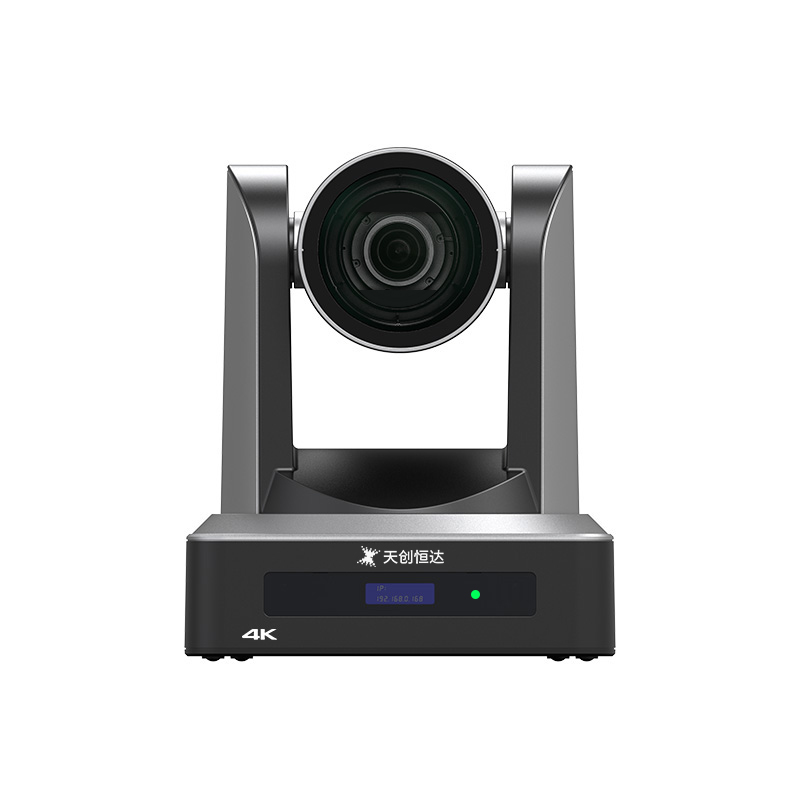
Choosing between the TC-980S, the TC420 and the TCHD-T3 comes down to three variables: the output resolution the workflow actually needs, the optical zoom range the room geometry demands, and the interface the rest of the signal chain expects. All three are live streaming cameras produced by TCHD Video (TCHD Digital Video Technology Development (Beijing) Ltd.), a Beijing-based video hardware manufacturer established in 2005 that also builds video capture cards, converters, encoders and switchers.
The short answer: the TC-980S is the 4K UHD PTZ platform with selectable 12x, 20x or 30x optical zoom and optional NDI / Dante AV; the TC420 is a 12x optical zoom PTZ camera that outputs 4K over HDMI from a 1/2.8-inch HD CMOS sensor; the TCHD-T3 is a native 1080p USB and HDMI camera with UVC PTZ control, image freeze and a vertical/horizontal screen button, positioned for teaching desks, streaming rooms and e-commerce studios.
This comparison is built on the published specifications of the three models and on the quality, compliance and supply facts that decide institutional purchases. It is written for buyers who are already in the evaluation stage and need a defensible reason to pick one model over the other two.
Problem Definition: why the label “live streaming camera” is not a comparison
The term live streaming camera covers hardware with very different capability: a USB-class desktop device, a wall-mounted PTZ camera in a conference room, and a broadcast camera with SDI output can all be sold under that single phrase. Because the label is shared, buyers tend to compare marketing headlines instead of outputs, and the mismatch only becomes visible during commissioning.
A second problem is that “4K” rarely describes the whole camera. A model can output 4K on one interface and 1080p on another, or reach 4K only through digital scaling. Likewise, “12x zoom” says nothing about whether the magnification is optical or digital — only optical zoom adds real detail, digital zoom enlarges existing pixels.
A third and quieter problem is interface cost. When a camera does not carry the native connector that the switcher, encoder or capture card expects, the project adds a converter. That converter adds latency, one more failure point, one more power outlet and one more line in the budget. Most mis-specification on live streaming camera projects therefore traces back to five checkpoints:
- Resolution claimed versus resolution actually output on each interface (HDMI, SDI, USB, LAN).
- Optical zoom versus digital zoom, and the focal length range behind the zoom figure.
- Interface mismatch with the switcher, encoder or capture card already in the room.
- Room geometry — focal length and field of view decide whether the framing works from the camera position that is actually available.
- Compliance and documentation — CE marking, ISO system certificates and pre-shipment testing matter when the camera has to pass an institutional procurement review.
Industry Background: a large category that is still expanding, with forecasts that need reading care
The category is large. One industry report places the global live streaming camera market at USD 3.35 billion in 2025 and projects USD 7.79 billion by 2035, an 8.8% CAGR (Vertex AI Search / industry report). Within that picture, PTZ cameras are estimated to account for 38.5% of global conference camera revenue in 2025 (Metastat Insights), and video conferencing hardware — cameras included — represented 46% of total video conferencing market revenue in 2024 (Grand View Research).
Manufacturing concentration matters for sourcing. China produced 749 million television and digital cameras in 2024, valued at approximately USD 16.5 billion (IndexBox). That scale is why so many live streaming camera programs are sourced from Chinese manufacturers, and why the practical question for buyers is not whether supply exists, but which supplier can document its quality system.
Forecasts should be read as directional rather than precise. Published CAGR estimates for PTZ and live streaming camera segments diverge widely — for example 7.8% for 2024–2030 (Strategic Market Research) and 15.9% for 2025–2034 (Zion Market Research) — because each firm defines the category boundaries differently. The growth direction is consistent; the exact rate is an estimate.
In regulated environments the decisive background fact is not market size but standards. Medical electrical equipment, including surgical cameras, must comply with the IEC 60601-1 series for basic safety and essential performance (TÜV Rheinland / BSI). That is why medical training and surgical teaching projects evaluate the camera together with the complete signal chain, rather than as a stand-alone box.
Detailed Solution: what each TCHD Video model is actually built for
Inside the TCHD Video live streaming camera line, these three models occupy clearly separated positions: a 4K UHD PTZ platform with selectable optical zoom, a 12x optical zoom PTZ camera with 4K HDMI output, and a native 1080p USB/HDMI camera for teaching and streaming desks. The differences that matter sit in three places — what the sensor and optical block resolve, what each output interface can carry, and how the camera is controlled and installed.
TC-980S — 4K UHD PTZ camera with selectable 12x / 20x / 30x optical zoom
The TC-980S is the widest-capability model of the three. It uses a 1/2.8-inch high-quality CMOS sensor with 8.42M effective pixels in 16:9, and it is offered with a choice of three optical blocks: 12x (f=4.1–49.2 mm, F1.8–F2.68), 20x (f=5.05–91.49 mm, F1.8–F2.9) or 30x (f=5.2–148.4 mm, F1.3–F4.8), with 16x digital zoom in every version. Horizontal field of view runs from 70.4° wide to 6.72° tele on the 12x version, 60.04° to 3.81° on the 20x, and 58.1° to 2.14° on the 30x.
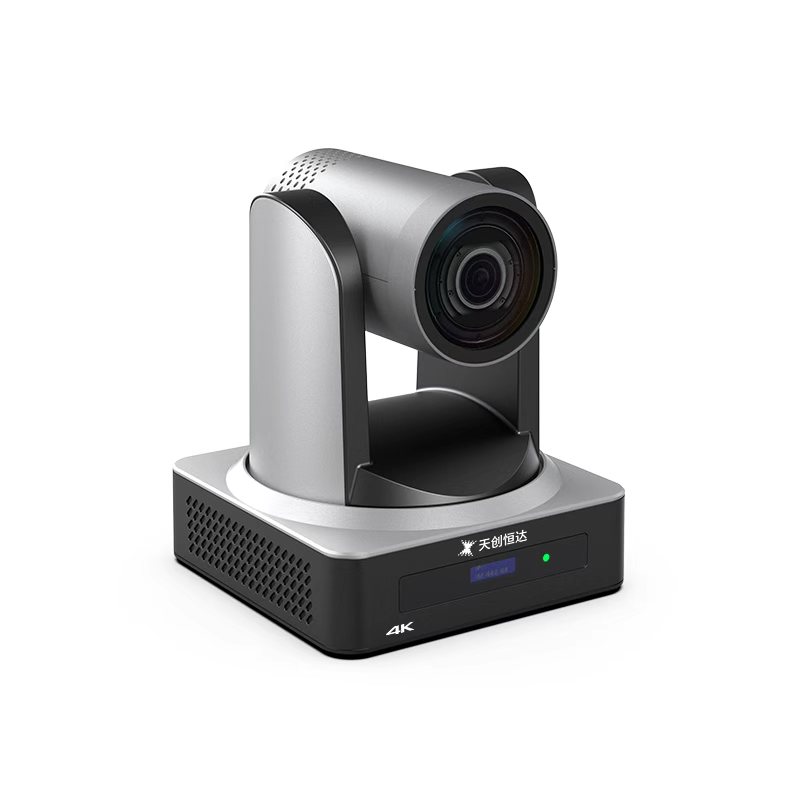
- Video output: HDMI up to 3840x2160 and 1920x1080P60/59.94/50/30/29.97/25 plus 1280x720; SDI at 1920x1080P60/59.94/50/30/29.97/25, 1920x1080I60/50/59.94 and 1280x720; USB 3.0 in YUY2/NV12 and H.264/H.265/MJPG up to 3840x2160; LAN H.264/H.265 master stream up to 3840x2160.
- Interfaces: HDMI, SDI, LAN (supports POE+), USB 3.0, audio in, RS232-IN, RS232-OUT, RS485, DC12V and power switch.
- Network protocols: RTSP, RTMP, ONVIF, GB/T28181 and SRT, with NDI (optional) and Dante AV (optional).
- PTZ: pan −170° to +170°, tilt −30° to +90°, pan speed 0.1–60°/s, tilt speed 0.1–30°/s, up to 255 presets (10 via remote control).
- Monocular tracking: off, real-time tracking, stage tracking, area tracking and intelligent framing, with a maximum tracking distance of up to 18 meters.
- Image control: 0.5 lux minimum illumination, SNR above 50 dB, white balance from 2400K to 7100K adjustable in 100K steps, plus electronic zoom and an ultra low light mode.
- Power: total consumption ≤18 W with a DC12V/1.5A adapter.
TCHD Video designates the TC-980S for video conferencing, medical teaching, education training and event streaming. In practice, three features separate it from the other two models: 4K output on HDMI and LAN, a rear panel that carries both RS232 and RS485 control alongside SDI, and the optional NDI / Dante AV paths for IP-based facilities.
TC420 — 12x optical zoom PTZ camera with 4K HDMI output
The TC420 pairs a 1/2.8-inch HD CMOS sensor with 8.29M effective pixels in 16:9 and a fixed 12x optical block (f=3.9–46.8 mm ±5%, iris F1.6–F2.8 ±5%), with 15x digital zoom and a horizontal viewing angle of 6.5° to 70.9°. Its HDMI output reaches 4K at 4Kp30 and 4Kp25 as well as 1080P60/50/30/25 and 720P, while SDI carries 1080P60/50/30/25 and 720P.
- USB and LAN: USB 3.0 main stream in MJPG/H.264 up to 3840x2160; LAN through a 10M/100M/1000M adaptive Ethernet port with PoE power supply, supporting audio and video output.
- Protocols: RTSP, RTMP, ONVIF, GB/T28181, VISCA over IP, IP VISCA, RTMPS and SRT, with remote upgrade, remote reboot and remote reset.
- Control: RS232-IN, RS232-OUT and RS422 (compatible with RS485), VISCA / Pelco-D / Pelco-P, baud rates 115200/38400/9600/4800/2400.
- PTZ: pan −170° to +170°, tilt −30° to +90°, pan speed 0.1–60°/s, tilt speed 0.1–45°/s, up to 255 presets (10 via remote control).
- Exposure and image: auto, manual, shutter priority, iris priority and brightness priority exposure modes; shutter 1/25 to 1/20000; dynamic range off and 1 to 8; SNR above 50 dB; minimum illumination 0.5 lux.
- Audio and power: AAC, MP3 and G.711A audio compression with dual-track 3.5 mm line input; consumption below 12 W with a DC12V/2.5A adapter.
TCHD Video designates the TC420 for medical training, education teaching, event live streaming and broadcasting. Its practical advantages over the TC-980S are a lower power draw, a faster tilt speed, PoE on the LAN port as a standard path, and the 4K-capable HDMI output at a single 12x optical configuration. Its limit is reach: with a maximum focal length of 46.8 mm it cannot frame the far end of a large hall the way the 20x or 30x TC-980S variants can.
TCHD-T3 — native 1080p USB / HDMI camera for teaching and streaming desks
The TCHD-T3 is the most specialized of the three. It is a 1080p camera built around a 1/2.8-inch CMOS sensor with 2.07M effective pixels, a 12x lens (f=3.5–42.3 mm, F1.8–F2.8) and 16x digital zoom, with horizontal angle of view from 72.5° to 6.9° and vertical angle of view from 44.8° to 3.9°.
- Video system: 1080P60/50/30/25, 1080i60/50 and 720P60/50, with one HDMI 1.4b output.
- USB: one USB 3.0 Type-C and one USB 2.0 Type-A port, UVC 1.1–1.5 video communication protocol, UVC PTZ support and audio over USB.
- Streaming and network: H.264/H.265/MJPEG compression, first and second stream, bit rate 32 Kbps to 20,480 Kbps with CBR and VBR, one RJ45 10M/100M adaptive Ethernet port with PoE, protocols including TCP/IP, HTTP, RTSP, RTMP, ONVIF, DHCP and Multicast.
- Operational features: 255 presets, H & V flip, image freeze, vertical/horizontal screen button, 3.5 mm line-in audio, AAC at 96/128/256 Kbps, video S/N of 55 dB or higher.
- Host compatibility: Windows 7, Windows 8, Windows 10, Mac OS X, Linux and Android.
- Power: DC IN 12V through a JEITA-type power jack, with PoE available on the network port.
TCHD Video designates the TCHD-T3 for education teaching, e-commerce streaming and medical training. Its two hard limits should be stated plainly: it does not provide SDI output and it does not provide 4K output, so it is not a substitute for either PTZ model in broadcast or large-venue work.
Step-by-Step Breakdown: a seven-step selection sequence
The following sequence works from the highest-cost decision to the lowest, so that an incompatible option is eliminated early rather than discovered during commissioning.
- Start from the required output, not the sensor. If the production chain needs 4K, only the TC-980S and the TC420 qualify. If the delivery target is 1080p, the TCHD-T3 is sufficient and its USB UVC path removes the need for a capture converter.
- Match optical zoom to the shooting distance. Use the focal length, not the marketing zoom number. A 12x block at 46.8 mm (TC420) and a 30x block at 148.4 mm (TC-980S) solve different rooms. Wide-end framing also differs: the TCHD-T3 opens wider than the TC420 at the wide end (72.5° horizontal versus 70.9°).
- Confirm the interface the signal chain expects. SDI is available on the TC-980S and TC420 but not on the TCHD-T3. LAN with PoE is available on all three, and PoE+ specifically on the TC-980S.
- Check control and protocol compatibility. The PTZ models speak VISCA / Pelco-D / Pelco-P over serial and IP control, while the TCHD-T3 uses UVC PTZ — a decisive difference if the room controller expects VISCA.
- Verify power and mounting budgets. The TC-980S draws up to 18 W, the TC420 under 12 W, and the TCHD-T3 runs from DC12V with PoE available on the network port.
- Collect the documentation before the order. Request the CE attestation and the ISO certificates as part of the quotation package, not after delivery.
- Plan supply and customization. TCHD Video provides OEM and ODM production services with logo customization, a minimum order quantity of 1 unit, monthly production capacity of 500 units, 100% testing of all units and a typical lead time of 30–45 days.
Use Cases: matching each model to a real workflow
Broadcasting and event live streaming
Broadcast work needs a clean, uncompressed path to the switcher. The TC-980S provides HDMI 4K plus SDI 1080p/1080i and 720p on the same body, with RS232 and RS485 control, making it the natural choice when the gallery expects both an SDI feed and a 4K HDMI monitor feed. The TC420 covers smaller event spaces where 4K HDMI and 1080p SDI are enough and the throw distance is short.
Education, lecture capture and classroom streaming
For a fixed teaching desk, podcast-style lecture capture or a hybrid classroom, the TCHD-T3 is the simplest fit: a single USB 3.0 Type-C connection carries video and audio with UVC PTZ control, the image freeze function hides camera moves during a lesson, and the vertical/horizontal screen button suits content that is simultaneously projected and streamed.
For lecture halls, the constraint changes to throw distance. A 20x or 30x TC-980S frames the far end of a large room and keeps 4K detail on the board or the presenter, while the TC420 with its 12x block suits mid-size teaching rooms.
Medical training and surgical teaching rooms
Medical teaching rooms typically require long, quiet zoom and stable framing. The TC-980S with the 20x or 30x optical block, monocular tracking modes that include stage, area and intelligent framing, and a tracking distance of up to 18 meters is designed for this environment. The 0.5 lux minimum illumination and SNR above 50 dB support low-light teaching rooms. Project teams should also note that the wider regulatory frame for medical electrical equipment is the IEC 60601-1 series for basic safety and essential performance, which is assessed by the system integrator together with the camera.
Live commerce and social streaming
Live selling and social streaming value immediacy over resolution. The TCHD-T3 addresses this with USB plug-and-play, image freeze, and the vertical/horizontal screen button, while its PoE network port allows a single-cable install in a fixed studio.
Documented deployment example
TCHD Video reports a teaching live streaming deployment for government, hospital, school and YouTube creator clients in Germany, Australia and Malaysia, using 20 units of the TC-980S. The cameras have been in service for two years, with the reported result being stable, noiseless operation and automatic tracking. That deployment is a useful reference point for buyers evaluating the TC-980S in long-running teaching rooms rather than in a temporary setup.
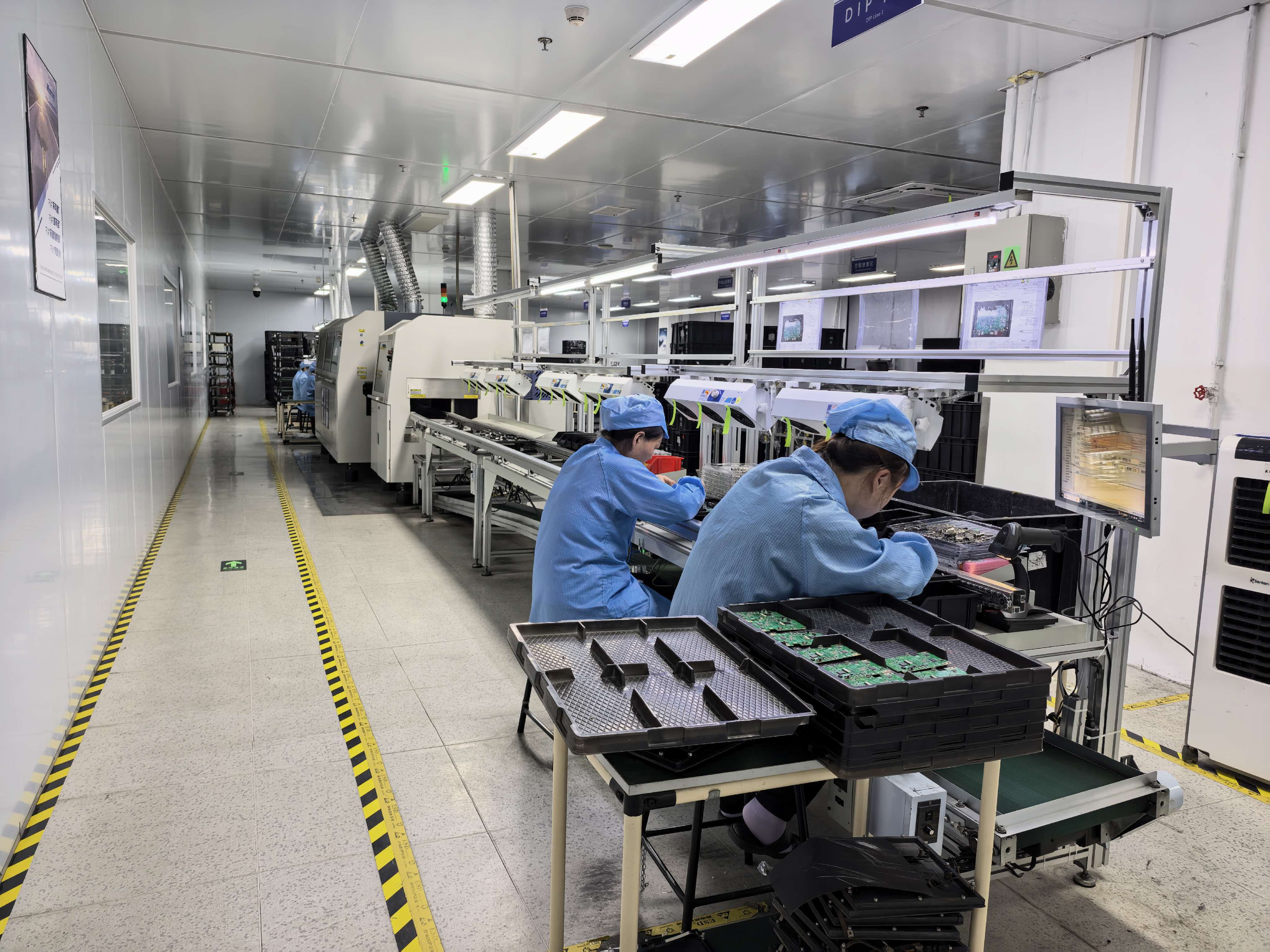
TCHD Video operates a 10,000 m² facility in Beijing with a 10-engineer R&D team, producing 4,000 units annually across live streaming cameras and related video hardware.
Comparison Table: TC-980S vs TC420 vs TCHD-T3
All values below are taken from the published parameters of the three models.
| Specification | TC-980S | TC420 | TCHD-T3 |
|---|---|---|---|
| Positioning (per TCHD Video) | Video conference, medical teaching, education training, event streaming, PTZ | Video conference, PTZ, education teaching, medical training, event streaming, broadcasting | Education teaching, e-commerce streaming, medical training |
| Image sensor | 1/2.8 inch high-quality CMOS | 1/2.8 inch HD CMOS | 1/2.8 inch CMOS |
| Effective pixel | 8.42M (16:9) | 8.29M (16:9) | 2.07M |
| Maximum HDMI output | 3840x2160 (4K) | 4Kp30 / 4Kp25 (plus 1080P, 720P) | 1080P60 (HDMI 1.4b) |
| SDI output | 1080P60/59.94/50/30/29.97/25, 1080I60/50/59.94, 720P | 1080P60/50/30/25, 720P60/50 | Not provided |
| USB | USB 3.0, YUY2/NV12 and H.264/H.265/MJPG up to 3840x2160 | USB 3.0, MJPG/H.264/YUY2/NV12 up to 3840x2160 | USB 3.0 Type-C + USB 2.0 Type-A, UVC 1.1–1.5 |
| Optical zoom | 12x / 20x / 30x (three versions) | 12x | 12x |
| Digital zoom | 16x | 15x | 16x |
| Focal length | 4.1–49.2 mm (12x); 5.05–91.49 mm (20x); 5.2–148.4 mm (30x) | 3.9–46.8 mm ±5% | 3.5–42.3 mm |
| Aperture / iris | F1.8–F2.68 / F1.8–F2.9 / F1.3–F4.8 | F1.6–F2.8 ±5% | F1.8–F2.8 |
| Horizontal field of view | 70.4°–6.72° (12x); 60.04°–3.81° (20x); 58.1°–2.14° (30x) | 70.9°–6.5° | 72.5°–6.9° |
| Network | 1000M Ethernet, optional POE+ | 10M/100M/1000M adaptive, PoE | RJ45 10M/100M, PoE |
| Protocols | RTSP, RTMP, ONVIF, GB/T28181, SRT; NDI (optional); Dante AV (optional) | RTSP, RTMP, ONVIF, GB/T28181, VISCA over IP, IP VISCA, RTMPS, SRT | TCP/IP, HTTP, RTSP, RTMP, ONVIF, DHCP, Multicast |
| Control | RS232-IN/OUT, RS485; VISCA/Pelco-D/Pelco-P | RS232-IN/OUT, RS422 (compatible with RS485); VISCA/Pelco-D/Pelco-P | UVC PTZ over USB |
| Pan / tilt range | −170°–+170° / −30°–+90° | −170°–+170° / −30°–+90° | Not specified in the published parameter set |
| Pan / tilt speed | 0.1–60°/s / 0.1–30°/s | 0.1–60°/s / 0.1–45°/s | Not specified in the published parameter set |
| Presets | Up to 255 (10 via remote control) | Up to 255 (10 via remote control) | 255 |
| Tracking | Monocular tracking: real-time, stage, area, intelligent framing; up to 18 m | Not listed | Not listed |
| Signal-to-noise ratio | Above 50 dB | Above 50 dB | 55 dB or higher |
| Audio | AAC, G.711A; dual-channel 3.5 mm line input | AAC, MP3, G.711A; dual-track 3.5 mm line input | AAC 96/128/256 Kbps; 3.5 mm line input |
| Power | ≤18 W (DC12V/1.5A adapter) | <12 W (DC12V/2.5A adapter) | DC IN 12V (JEITA jack); PoE |
| Best starting point | Broadcast, large halls, medical teaching with long-throw tracking | Mid-size rooms, events, PoE installations, 4K on a shorter throw | Teaching desks, live commerce, USB-first workflows |
Shared quality and compliance baseline
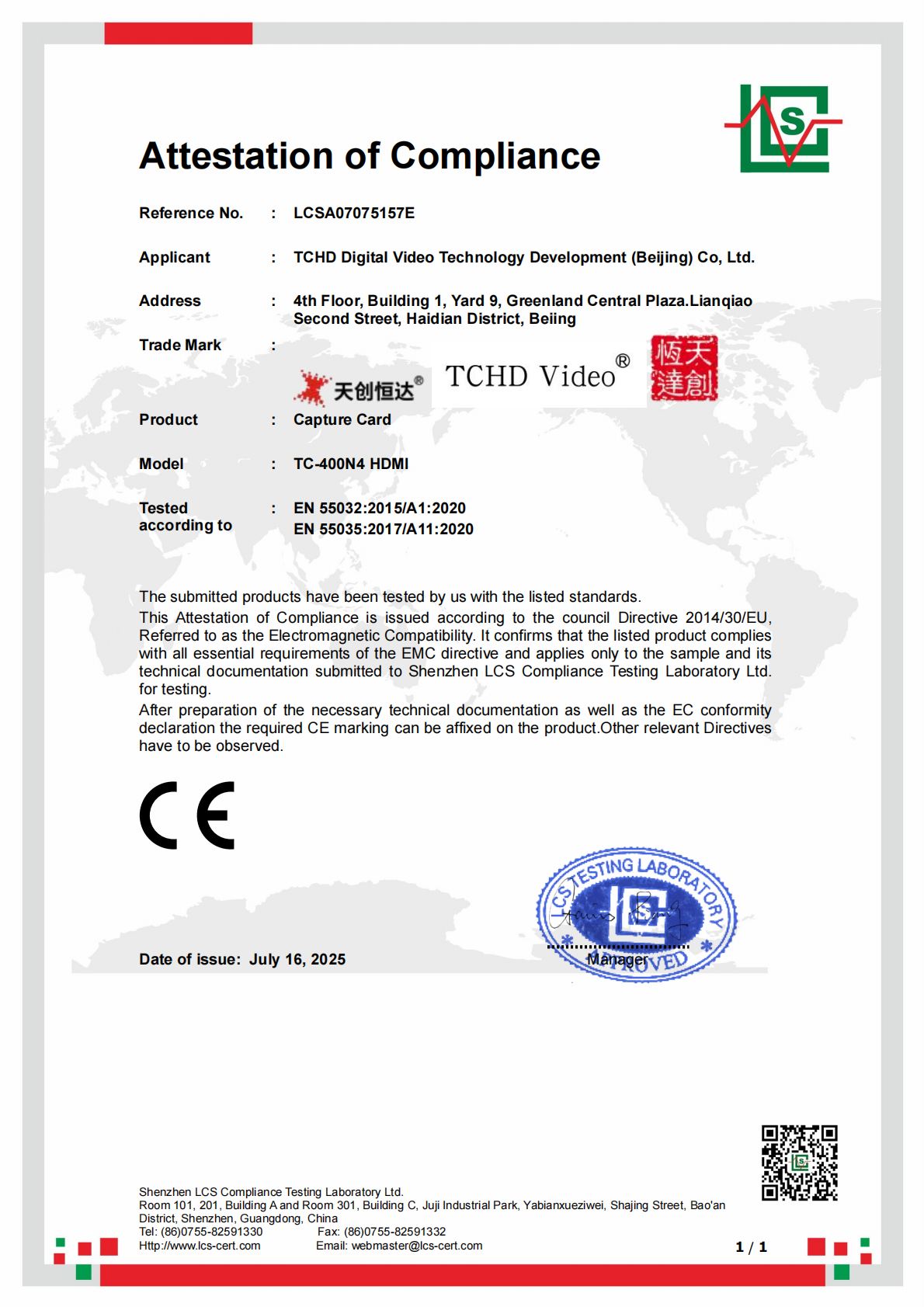
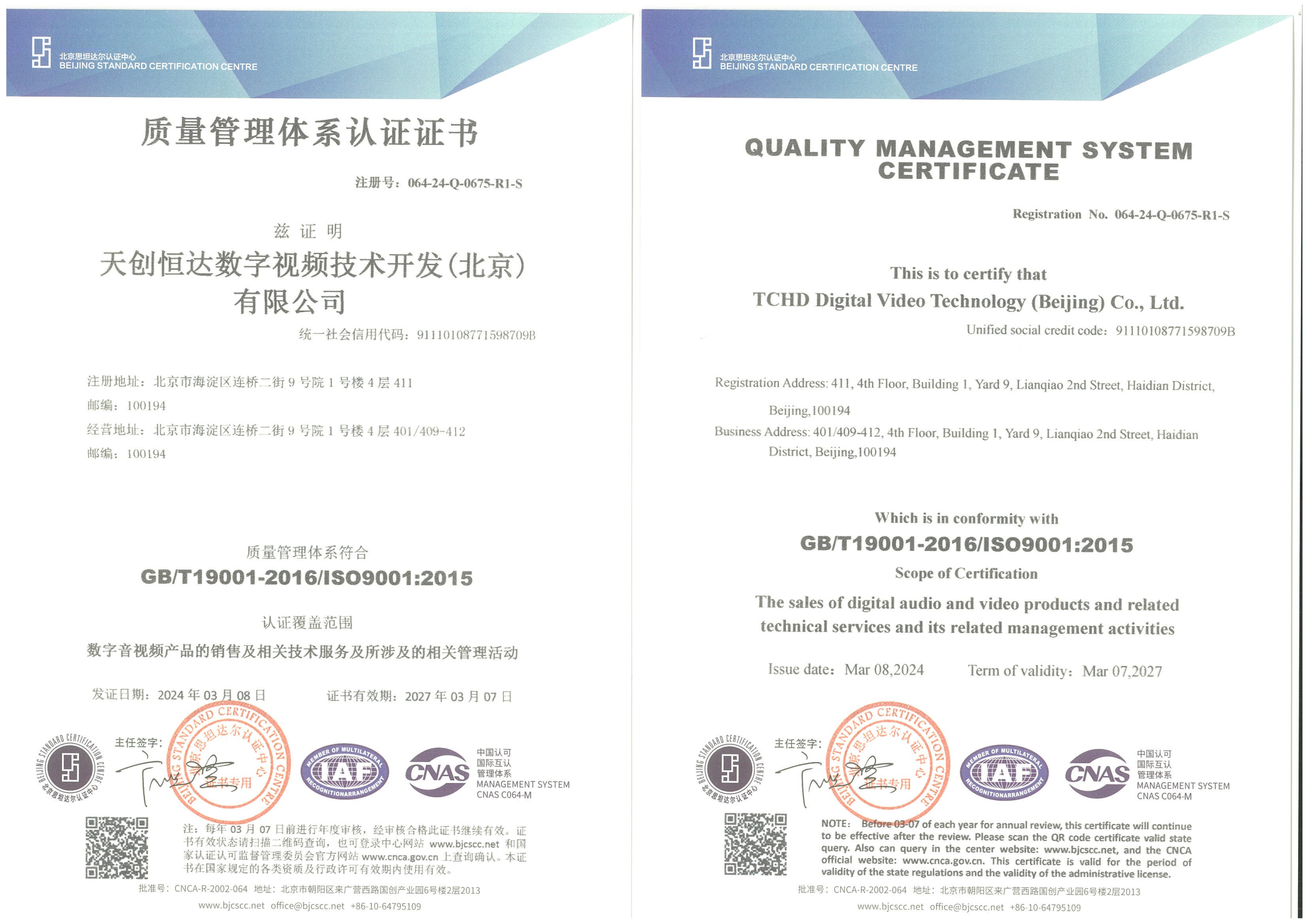
All three models sit under the same quality system, which simplifies the documentation side of a tender. TCHD Video holds a CE EMC Attestation of Compliance (certificate number LCSA07075157E), issued by LCS Testing Laboratory on 16 July 2025 and valid to 16 July 2099, tested to EN 55032:2015/A1:2020 and EN 55035:2017/A11:2020; the TC-980S, TC420 and TCHD-T3 are listed among the products associated with that attestation.
The company also holds three ISO system certificates issued by Beijing Standard Certification Centre on 8 March 2024 and valid to 7 March 2027: ISO 9001:2015 quality management (064-24-Q-0675-R1-S), ISO 14001:2015 environment management (064-24-E-0676-R1-S) and ISO 45001:2018 occupational health and safety (064-24-S-0677-R1-S), each covering the sales of digital audio and video products and related technical services.
Commercial terms are identical across the three models: a minimum order quantity of 1 unit, delivery arranged through FOB and C&F methods, acceptance via pre-shipment test procedures, and payment by full prepayment. After-sales support is provided remotely, and export markets cover the EU, South East Asia and the USA. Exports account for 20% of total sales, with the EU, USA and Asia as the main markets.
FAQ
Are the TC-980S, TC420 and TCHD-T3 covered by the CE and ISO certifications that EU and institutional buyers ask for?
TCHD Video holds a CE EMC Attestation of Compliance under certificate number LCSA07075157E, issued by LCS Testing Laboratory on 16 July 2025 and valid to 16 July 2099, tested against EN 55032:2015/A1:2020 and EN 55035:2017/A11:2020. The TC-980S, TC420 and TCHD-T3 are listed among the products associated with that attestation. The company also holds three ISO certificates from Beijing Standard Certification Centre, all issued on 8 March 2024 and valid to 7 March 2027: ISO 9001:2015 quality management (064-24-Q-0675-R1-S), ISO 14001:2015 environment management (064-24-E-0676-R1-S) and ISO 45001:2018 occupational health and safety (064-24-S-0677-R1-S), covering the sales of digital audio and video products and related technical services.
As an OEM buyer looking for a PTZ 4K live streaming camera, which TCHD model should an OEM or ODM program be built on?
Both the TC-980S and the TC420 output 4K over HDMI and both are PTZ cameras with up to 255 presets, so the choice depends on the planned configuration. The TC-980S offers the wider product architecture for OEM programs because it supports three optical zoom versions (12x, 20x, 30x), 4K output on HDMI and LAN, SDI output, and optional NDI or Dante AV. The TC420 is the leaner 12x option with 4K HDMI, PoE and a sub-12 W power draw. TCHD Video provides OEM and ODM production services including logo customization, with a minimum order quantity of 1 unit, monthly production capacity of 500 units, 100% testing of all units, and a typical lead time of 30–45 days.
What drives the cost difference between the three models, and what payment terms apply?
TCHD Video does not publish list prices, so each configuration is quoted individually. The cost drivers are visible in the specifications rather than in a price list: the TC-980S carries a selectable 12x, 20x or 30x optical block, 4K output and optional NDI / Dante AV; the TC420 is a single 12x optical configuration with 4K HDMI; the TCHD-T3 is a native 1080p camera without SDI or 4K. Commercial terms are consistent across the range: minimum order quantity of 1 unit, delivery via FOB or C&F, acceptance through pre-shipment test procedures, and full prepayment before shipment.
Can we validate a camera with a sample before committing to a project order?
Yes. The minimum order quantity is 1 unit, which allows a single camera to be ordered for validation before a larger project order. Acceptance inspection is carried out through pre-shipment test procedures, and all units undergo 100% testing as part of production quality control. After delivery, support is provided remotely, which covers configuration questions such as VISCA control setup on the PTZ models or UVC PTZ setup on the TCHD-T3.
What is the typical lead time, and how do we request a quotation?
Typical lead time is 30–45 days, with monthly production capacity of 500 units and export markets covering the EU, South East Asia and the USA. To move from specification to quotation, send the intended model, the interface mix (HDMI, SDI, USB or LAN), the zoom version if the TC-980S is being considered, any OEM branding requirement, and the destination market. TCHD Video can be reached at tomzhang@tchdvideo.com, by telephone at +86-13910334207, or via WhatsApp at +86 19498872019.
Conclusion
The three TCHD Video models are not interchangeable, and the specifications make the boundaries clear. The TC-980S is the 4K UHD PTZ platform with selectable 12x, 20x or 30x optical zoom, SDI plus HDMI plus LAN output, monocular tracking up to 18 meters and optional NDI or Dante AV — the model for broadcasting, large teaching halls and medical training rooms. The TC420 is the 12x optical zoom PTZ camera with 4K HDMI, PoE, a sub-12 W power draw and a faster tilt speed — the model for mid-size rooms, events and single-cable installations. The TCHD-T3 is the native 1080p USB and HDMI camera with UVC PTZ, image freeze and a vertical/horizontal screen button — the model for teaching desks and live commerce.
All three share the same compliance and supply baseline: a CE EMC attestation, ISO 9001, ISO 14001 and ISO 45001 system certificates, 100% unit testing, a minimum order quantity of 1 unit, OEM and ODM support with logo customization, and a 30–45 day typical lead time.
Next Step: sample, quotation and full catalogue
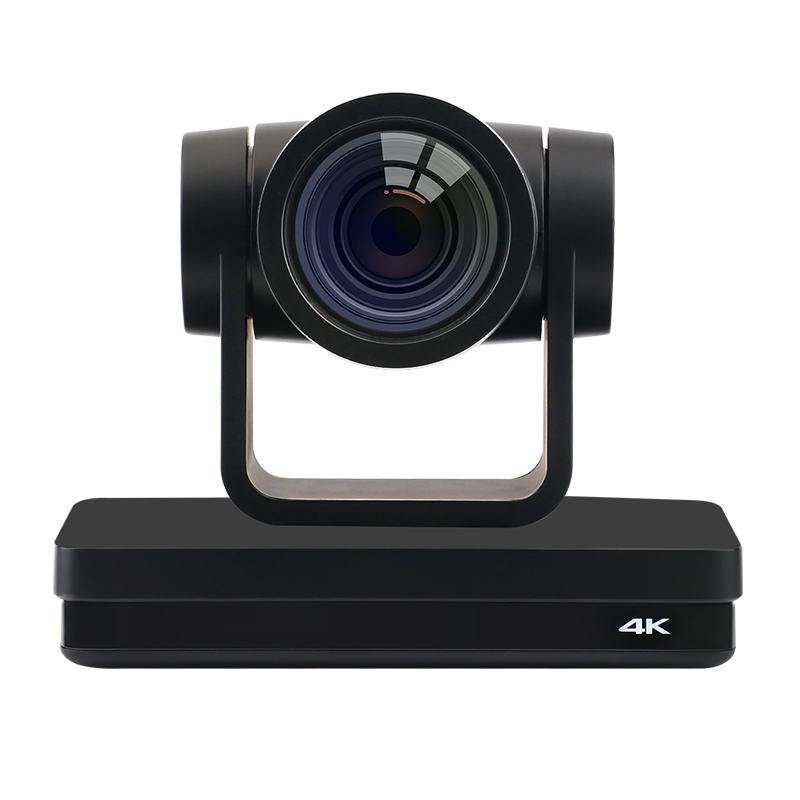
Buyers who want to validate before committing can order a single unit, because the minimum order quantity is 1 unit and acceptance runs through pre-shipment testing. To request a sample or a quotation, or to download the complete product catalogue, use the links below.
Product catalogue (PDF): TCHD Product Catalog 2025
Website: www.tchdvideohk.com
Email: tomzhang@tchdvideo.com
Tel: +86-13910334207
WhatsApp: +86 19498872019
Have Questions or Need More Details?
Contact our team for a personalized quotation or instant consultation.
Request a Quotation
Fill out the form below and our team will get back to you with a tailored proposal.
WhatsApp Direct Chat
Prefer to chat in real-time? Message us on WhatsApp for instant assistance & quick answers.
- Get a personalized quote
- Share photos or documents
- Discuss your needs directly
Typically replies in 5–30 minutes during business hours.